How BoxFun is turning meme coins into collectibles
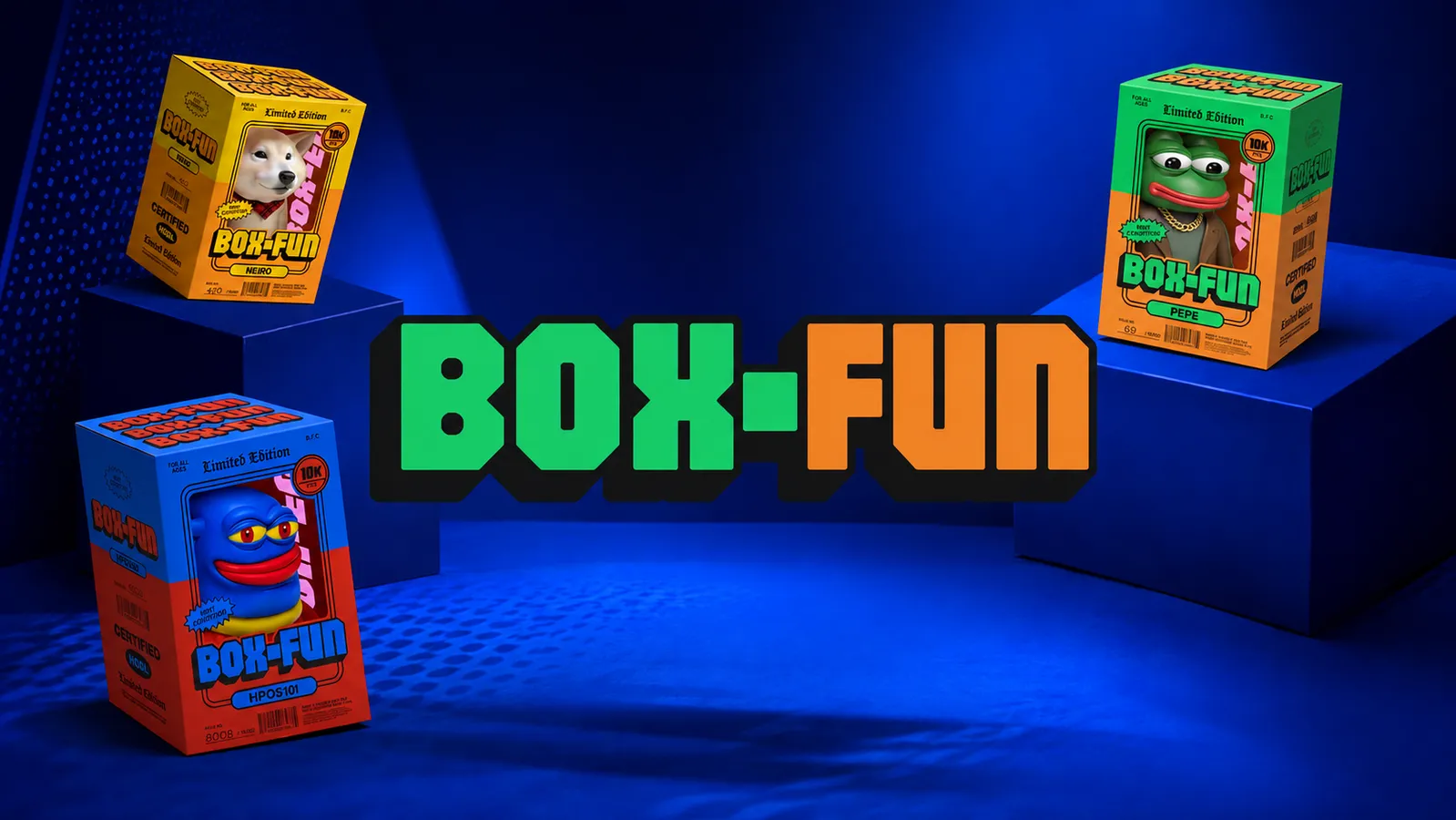
BoxFun is built to elevate that culture by giving communities a visible object that can be collected, displayed, rewarded, and eventually traded.
There is a version of the meme coin story that is purely financial. Tokens launch, communities form around them, prices move dramatically in both directions, and most holders are there for the ride. That version is real, but it is incomplete.
The more interesting story is cultural. PEPE the Frog is a character with over a decade of internet history and a strong community.
SHIB built an entire ecosystem mythology around a dog. FLOKI named itself after Elon Musk's actual pet. SPX6900 has a meme lore so dense it borders on theology. These are assets people hold in the same way people wear band T-shirts or display sneaker collections, akin to signals of identity, belonging, and taste.
What has been missing is a form factor that matches the cultural weight. A token sitting in a wallet is invisible because it has no presence or shelf life. For communities that have built meaning around these assets, that gap between the cultural richness of the token and the blankness of simply holding it has always been a strange mismatch.
BoxFun is built to elevate that culture by giving communities a visible object that can be collected, displayed, rewarded, and eventually traded.
What is BoxFun?
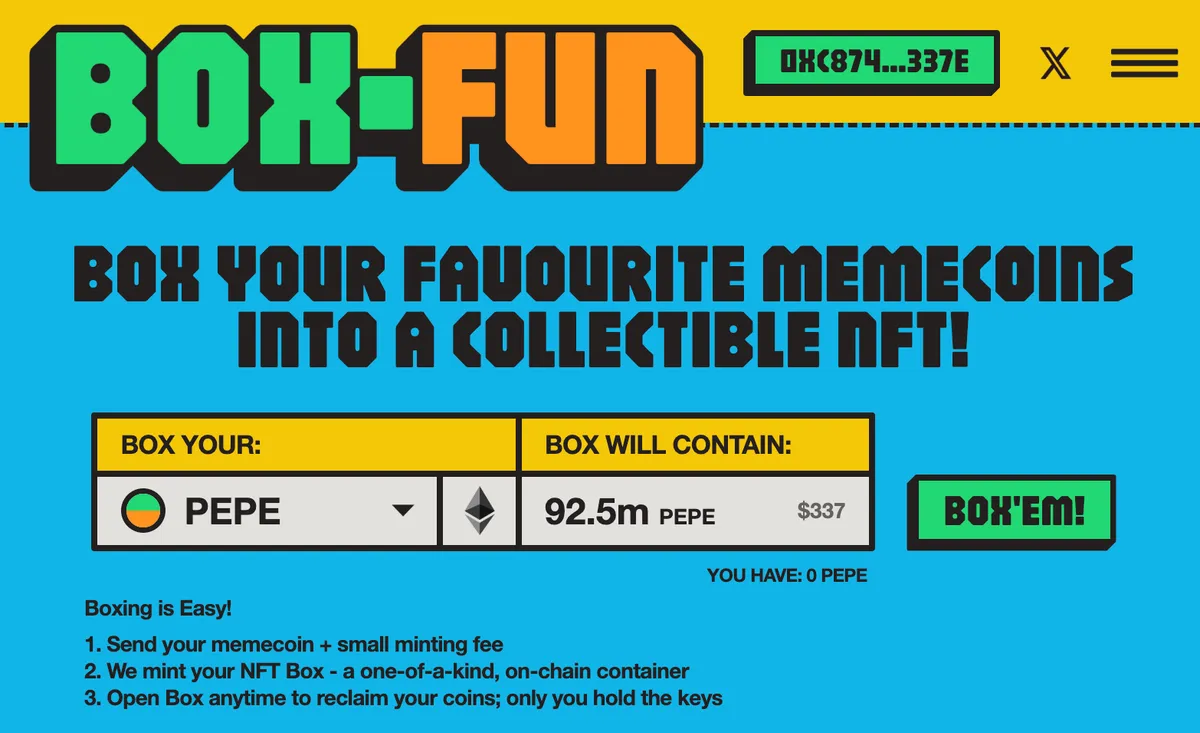
BoxFun lets holders of supported meme coins package their tokens into a unique collectable NFT Box. The meme coin goes in, and a one-of-a-kind onchain container comes out. The holder keeps the keys, and the underlying coins remain redeemable at any time. It is, in the simplest terms, a collectible piggy bank.
BoxFun operates on both Ethereum and Base, covering a roster of the most culturally embedded meme coin communities in the space. Currently supported tokens include DOGE, PEPE, SHIBA INU, FLOKI, MOG, SPX6900 and over a dozen more of crypto’s most popular meme coin communities. Across this extensive list, BoxFun has already minted over 300 boxes.
Each collection is capped at 10,000 Boxes per meme coin, keeping supply finite and the collectable logic intact. For collectors, that cap is where the opportunity lives: early minters carry provenance, Gold Editions and rare traits become harder to source, and as the underlying community grows, new holders and demand grow along with the culture. Supply is fixed, community growth is not.
The mechanics are simple and straightforward:
A holder sends their meme coin plus a small minting fee.
BoxFun mints an NFT Box reflecting the attached meme coin.
At any point, the holder can open the Box and reclaim the underlying tokens.
If a user opens the Box and reclaims the underlying tokens, the empty Box remains in their wallet and still carries its unique serial number and identity as a collectible object. Boxes can also be listed and sold on OpenSea, with the market free to price them above their raw coin value based on rarity, number, or the cultural weight of the collection.
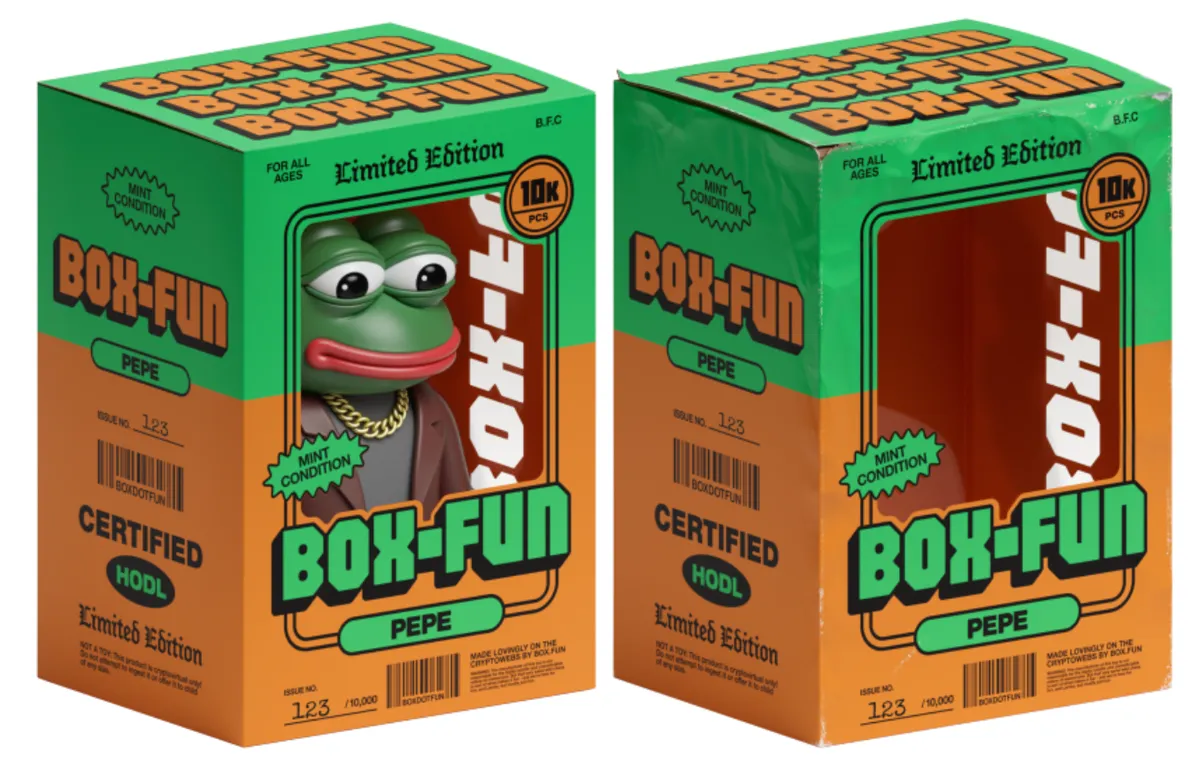
A native marketplace is currently in development, where holders will be able to buy and sell Boxes without unboxing them. Each market is intended to trade in the underlying meme coin, letting holders access liquidity while keeping the Box intact.
Rarity, gold editions, and the collectable logic
Collectable culture runs on scarcity and surprise. The entire appeal of limited edition physical toys, trading cards, and blind boxes is built on the same foundation.
While most items are standard, a few are rare, and the chance of pulling something special is part of what makes the act of collecting feel genuinely appealing and special.
BoxFun applies exactly this logic onchain. For example, only 2 Gold Edition Boxes have been minted to date for the hyper-energetic and always-entertaining HarryPotterObamaSonic10Inu project.
Each minting carries a 1-in-100 chance of producing a Gold Edition Box. The Gold Edition Box is a version featuring golden visual traits and a special golden container, distinct from the standard edition.
Gold Edition issuance is governed by Chainlink VRF, the industry standard for verifiable onchain randomness. The outcome is provably fair and tamper-proof. No one, including the BoxFun team, can manipulate which mints produce Gold Editions.
On the Ethereum mainnet, the Chainlink VRF step is optional given gas considerations, but the randomness mechanism itself is transparent and auditable either way.
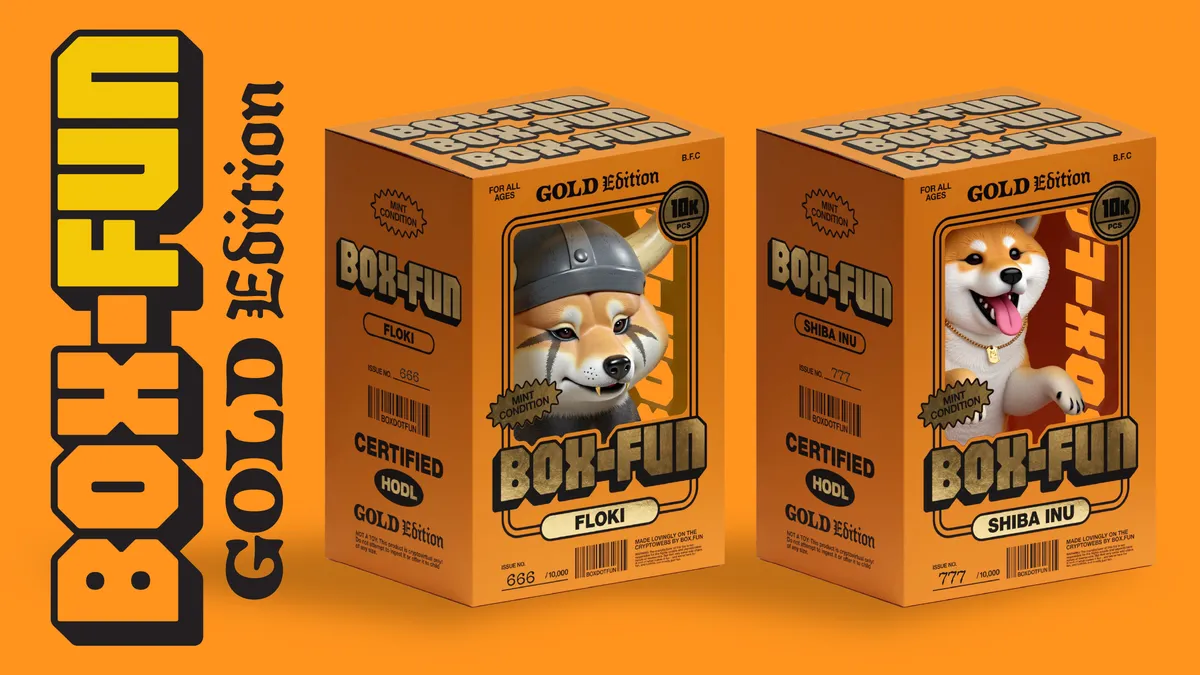
This rarity structure matters beyond aesthetics. It creates a secondary market dynamic where Gold Boxes can trade at significant premiums over their face value. It also gives the collecting act real stakes. The same pull that drives people to open trading card packs or blind box toys is present in every BoxFun mint.
Earlier serial numbers carry their own desirability, independent of rarity tier. A Box numbered 0001 in any collection is a different object, culturally and financially, from Box number 4,500. Meme coin communities also have their own canon of culturally significant numbers: a Box landing on #69, #420, or #777 carries value that may have nothing to do with its actual rarity tier.
The weekly lottery
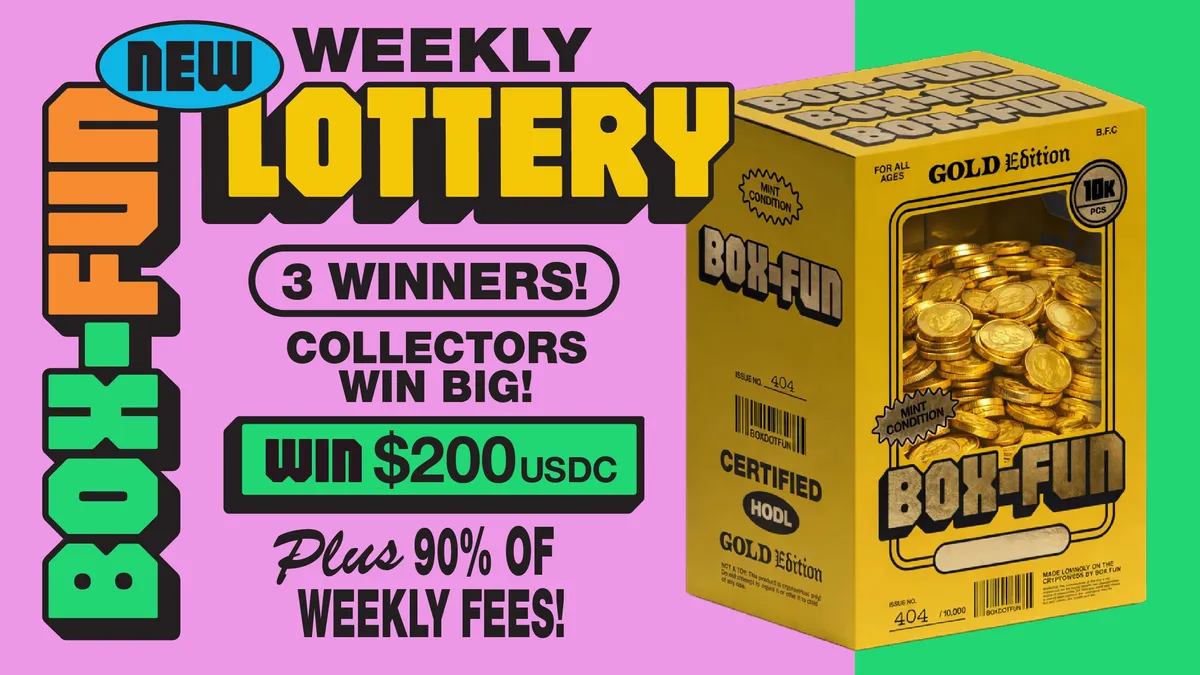
Beyond the primary collecting mechanic, BoxFun runs a weekly lottery as an additional rewards layer. Every Box minted during a given week earns one lottery ticket. Three winning tickets are drawn each Friday.
The prize pool is funded from a $200 base plus 90% of that week's total Boxing fees, meaning the pool scales with activity. New wallets minting their first Box receive two lottery tickets instead of one, doubling their chances of winning in that draw.
Rarity traits on a winning Box also boost the payout via multipliers. Gold Editions carry the largest boost at 2x. Early serial numbers (#1 through #100) add a 1.3x multiplier, with #101 through #1000 qualifying for a 1.2x Still Early bonus. Beyond serial position, the system rewards number-based traits:
Binary Beast (boxes containing only 0s and 1s, 1.25x)
Special numbers (culturally significant figures like 69, 420, 1984, and 1337, among others, at 1.2x)
Pattern numbers (palindromes, repeating digits, ascending or descending sequences, 1.2x)
and Prime numbers (1.1x).
Multipliers stack, meaning a Gold Edition Box with an early serial number and a prime number compounds its payout advantage.
Ultimately, the point is still the Box. The lottery is the weekly reward loop that gives holders another reason to mint, hold, and care about rarity.
The physical layer
BoxFun's longer-term direction extends the collectable logic into physical space. The digital Box is the foundation, but the vision includes physical collectable experiences for select NFT holders, starting with Gold Edition holders.
The specifics are still taking shape, but the direction is consistent with how collectable culture actually works at its most durable: the best collections exist in both digital and physical form, and the most committed communities want objects they can hold.
This is not a new idea. The most successful crossover between digital and physical collectables, from NBA Top Shot to Pudgy Penguins toys, has followed exactly this arc. Digital first, physical as the premium tier for the most committed holders.
BoxFun's meme coin communities are, by definition, among the most tribal in crypto. A physical collectable that lets a longtime PEPE or FLOKI holder point to an object and say “that's my community” has a clear cultural home to land in.
Community, ecosystem, and NFC Lisbon
BoxFun works with established meme coin communities, and the relationship runs in both directions. Communities reach out to request a listing, custom Box artwork and a community-specific collectible campaign, giving holders a reason to Box & collect instead of just holding.
The platform focuses on larger, more embedded communities rather than chasing every new launch. The result is a roster that reads like a map of the most culturally durable corners of meme coin Twitter: communities with history and identity layers that go well beyond price.
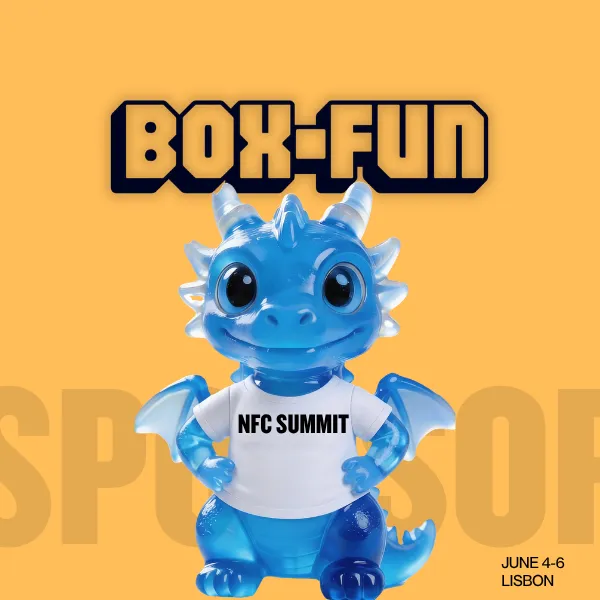
The product will have a real-world presence at the NFC Summit 2026 in Lisbon, running from June 4 to 6. NFC is one of the most culturally attuned events in the NFT and digital collectables calendar.
This is a natural context for a product that sits precisely at the intersection of meme coins and collection identity. For a community that has built so much meaning online, Lisbon is the moment to demonstrate what that culture looks like when it occupies the physical.
BoxFun is live now on their website. Boxes can be explored and minted, and the same applies to their weekly lotteries. The community is active on X, Telegram, and Discord.
Beyond HODL
The meme coin sector has spent years producing communities with genuine cultural depth and no great outlet for it beyond price charts and Twitter threads. The tokens themselves are rich with meaning, but the act of holding them has remained functionally inert.
BoxFun changes the act by giving holders something to do with their conviction that is expressive, collectible, and durable beyond a single price cycle. A numbered Box carrying your PEPE or your SPX6900 is a statement of membership. Holders can also display their Boxes on a digital Shelf, turning a private wallet balance into something visible, social, and curated.
An empty Box after redemption is still a collectible and still yours. A Gold Edition is a rare pull in a community where everyone knows what rare means. The Box itself becomes a memento, an onchain record of a position held, independent of whether the tokens are still inside.
This is what collectable culture coming to crypto actually looks like, and it has been a long time coming. Boxing gives holders exposure to the underlying token, a collectible experience with real rarity mechanics, social proof through the Shelf, and weekly rewards tied to participation. The culture was always there. Now the form factor matches it.
Explore BoxFun and get absorbed in both meme coin collectibles and culture.